Simple extraction
Removal of a tooth that can be accessed above the gumline. The approach depends on its condition and root shape.

NEDIC Dartmouth
Understand why removal may be recommended and how we plan for your comfort and recovery.
Request a consultation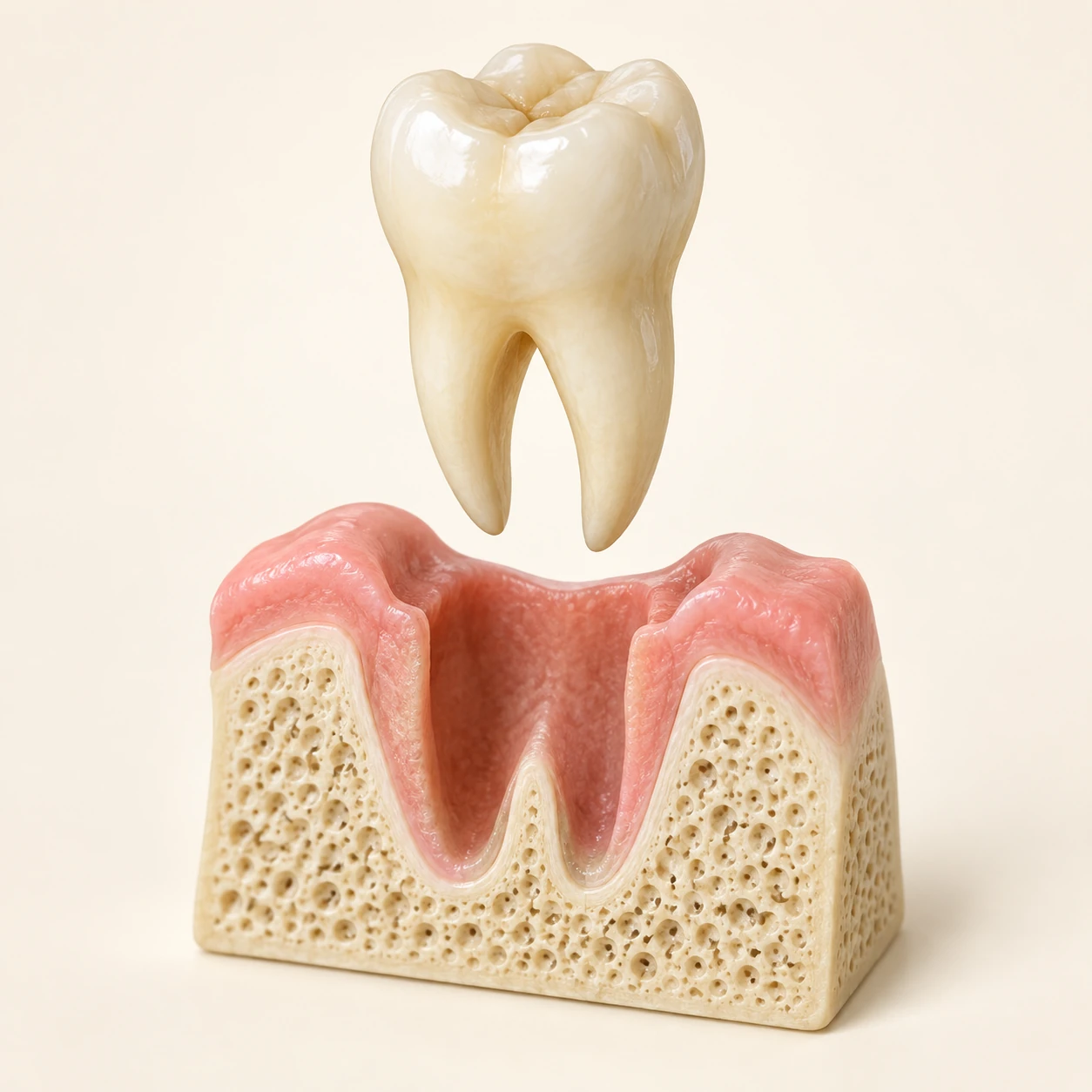
Understand your options
An extraction removes a tooth when disease, damage, or another clinical concern makes removal appropriate. We assess the tooth and discuss whether it can be saved before recommending a plan.
Removal of a tooth that can be accessed above the gumline. The approach depends on its condition and root shape.
For a tooth that is broken, difficult to access, or below the gumline. Additional steps may be needed to remove it.
If replacement teeth are needed, we discuss timing and the next stage of care before your extraction.
The NEDIC approach
We review your medical history, examine the tooth, and assess imaging. Your plan covers the reason for removal, anesthesia and comfort options, recovery, and any proposed replacement. We explain the fees before treatment.
Your next step
The goal is to address the tooth requiring removal and support healing. You receive postoperative instructions and guidance on when to contact the office. Healing and discomfort vary with the procedure.
Follow your personalized instructions for eating, cleaning, medications, and follow-up. Contact the office if you are concerned about recovery.
When something does not feel right
A persistent toothache, pain when biting, a broken tooth, or swelling around a tooth deserves attention. When you call, tell us what you are feeling and when it began. Our team can help arrange an evaluation and explain the next step.
An urgent visit begins with understanding the problem. We discuss whether the tooth can be preserved, what removal would involve if it is recommended, and how the decision fits your longer-term care. Treatment timing depends on your assessment and appointment availability.
Before and after your appointment
Difficulty breathing or swallowing, or rapidly spreading facial or neck swelling, requires emergency medical attention. Call 911 or go to the nearest emergency department.
Bring a current medication list and tell us about allergies, medical conditions, and any concerns about treatment. These details help us prepare thoughtfully for your visit.
Local anesthetic numbs the treatment area. If you feel anxious, we can discuss sedation as part of your assessment. It may require advance preparation and an escort.
Some soreness and swelling can occur after removal. You receive personal instructions for eating, cleaning, managing discomfort, and follow-up. Please contact us if symptoms concern you or worsen.
A little more clarity
No. We examine the tooth and review appropriate options before recommending removal. Our goal is to help you understand the findings and make an informed decision.
Sometimes. The examination, your health, the treatment required, and available appointment time determine whether we can proceed that day. Calling ahead helps us understand your needs; sedation may need separate preparation.
If replacement is appropriate, we can discuss it as part of your plan. A single implant, partial denture, or full denture may be considered depending on the teeth involved. Healing dentures need planning before extractions.